
Section Styles alternate-P3
THREE:
Decisions, Decisions
No. 3 | FALL 2026

Issue Three
Decisions, Decisions
Issue Three Decisions, Decisions
Table of Contents
FICTION by Zelda Knapp
01
02
NON-FICTION by Grace Mattern
03
NON-FICTION by Dianne Blomberg
Editor’s Note
Decisions, Decisions felt like a cruel theme as I struggled to choose only three pieces from a sea of submissions. The final selections—two personal essays and one short story—came together around an idea that one of them states outright: “I want this so much more than I don’t.”
That line stopped me in my tracks. In each story, the narrator’s choice hinges on that precarious compass. Does this relationship offer more love than grief? Does this transition bring more joy than pain? Is the risk of not acting greater than the risk of acting? So many decisions can be distilled to an internal weighing of pros and cons when we simultaneously want and do not want something. Push, pull, push, pull—when maybe it’s much simpler than that. Do I want this more than I don’t?
Decision-making in adulthood is far from clear or sexy; it somehow still carries that paradoxical energy of toddlerhood: pick me up; put me down. Although there is an undercurrent of loss in these stories—a natural consequence of choice—they are far from despondent; each one leaves us with a breath of clarity, if not also a hint of hope. I could relate to exactly none of the circumstances in these stories, but I know what it’s like to choose and to want to feel lighter on the other side of it. These pieces offer direction.
XO, Steph

I Can’t Ask You to Stay
by Zelda Knapp
Cece
This was a really good first date. This was a six-hour really good first date. This was talking, and talking, and talking, and cannoli and Central Park at twilight. Finding that empty bandstand and hearing our laughter echo and being the only people who could hear it. Lacing my fingers with yours and feeling my blood turn to warm honey. The writing callus on your middle finger, smooth and raised and angry red. Finding constellations in the freckles on your face, finding cumulo-shadow-shapes in the curls of your hair. This was the crinkles at your eyes when you smile, and the dark circles under them because you probably don’t get enough sleep. Hearing you talk about your sixth graders, and what you wish you could give them. Falling a little bit in love even in one night.
This was me telling you I don’t know how to stay in the city. That I feel lost here, surrounded and abandoned. Carried away by the rip tide of crowded subway platforms, of Duffy Square with its snaking line to the TKTS booth and the picture posing and the off-brand Elmos and the smell. This was me telling you I saw someone pee over the edge of the subway platform, yank up her fruit-patterned leggings, and keep walking. And this was you hearing all this, and offering to walk me home, to teach me the city, to make it okay. To teach me how to breathe. You at the door to my building, waiting for me to ask you upstairs. To ask you to stay. That drop of sadness in your eyes when you saw I wouldn’t. The way you kissed me anyway, honeysweet.
I can’t ask you to stay when I don’t know how to stay myself.
Moira
Trust me, babe, I can make you fall in love. I can show you how to get through midtown without seeing one creep in a costume, without dealing with any theaters spilling their audience onto the street like a box of puppies. I can show you the High Line, the ferries, the hidden rooftops. Take my hand and I’ll give you the gardens no one talks about, I’ll give you the seaport and the cobblestone streets they forgot to pave over. We can hide in the Cloisters with the unicorns and make a picnic of Chinese food and Russian chocolate from the shop on 181st. We can watch the sunset and remember that this island is so many little pockets of places and it doesn’t always have to be the rats on the tracks and the people on the pavement. It can be blowing bubbles and playing frisbee. It can be dogs at outdoor cafes and hiding under scaffolding from a summer rainstorm. It can be you and me in our own little pocket of a place if you take my hand. If you let me show you.
I can’t ask you to stay. But I can show you how you could try.
Section Styles author-bio
Cece
I’ll fill the kitchen windowsill with potted plants, with climbing vines, with herbs. I’ll fill the air with garlic, butter, pepper. You’ll grade essays, I’ll buy cheeses and crusty bread. I’ll slice onions, and we’ll both try not to cry. I’ll paint the walls a butter yellow, you can hang the prints. We’ll fill the shelves with photos, tokens, books. I’ll make friends with the neighbors, with the mail carrier, the super, the bodega owner, the bodega cat. I’ll big spoon you on the couch on Sunday nights. If I can fill our pocket with quiet, if I can feed the soil so my roots can grow, if if
If you’ll stay with me, stay with me. I’ll figure out how to stay.
Moira
You have to want to be here. I can’t build that want for you. I can draw you a map, but I can’t drive the car. New Yorkers don’t drive, babe. This city doesn’t notice us enough to love us back; if we’re going to be here, we have to want to be here. I tell you I love you. I wash the dishes after you cook. I take you to a show, I take you to the shore. We ride the Cyclone and get hot dogs, but it’s all just stuff. The color of the paint doesn’t matter if you can’t even look out the window. Your arm in mine is all my love, but. If you can’t cross the street without me there, if you can see the city only by wearing my glasses, I don’t know how to do this.
You can’t stay if you’re staying only for me. I promise it will break us.
Cece
My Uncle Jero spent two years in a long-distance relationship with Amal. Back when it was just phone calls and care packages. And then he moved and then they were together. Nana, she had to wait through the war while Pops was overseas. And then he came home and then they were together. I could leave, and we could try. We could still try. I could send you letters and we could FaceTime every night. I could make flower presses and send them to you, kisses ironed in wax paper to save forever. And then you’ll, and then we’ll.
I want to try, but I can’t ask you to stay with me, when I know you’ll never leave with me.
Moira
Stay with me.
Cece
I can’t.
Moira
Ask me.
Cece
Stay.
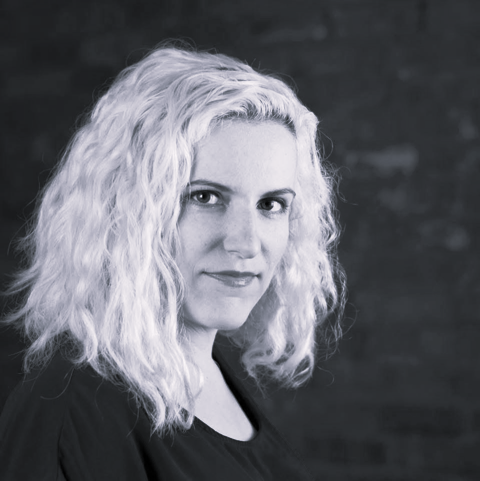
Zelda Knapp’s literary fiction has appeared across a variety of publications, including a Pushcart Prize-nominated piece in Celestial Echo’s anthology Behind the Revolving Door. Her first collection, This Is What They Made It Out Of: tales from the end of the world, is available for purchase at www.zeldaknapp.com.
Luck
Luck
Luck Luck
Luck
by Grace Mattern
David and I sit on the couch in the room where my husband died. In the two weeks David and I have been seeing each other, we’ve progressed from hand-holding to tentative hugs to long embraces. I press back against the upholstered arm as David caresses my crossed legs. My body is so lonely his touch feels like sex. I ask if he’s had a vasectomy. Eric had.
*
Two years ago I walked beside Eric’s wheelchair as a nurse pushed him along a hospital corridor at midnight. I hadn’t known that outpatients fill the daytime MRI appointments. Inpatients like Eric get the odd hours.
The overhead lights were bright, streaking the floor with shiny patches. We passed the CT scan room, which I recognized from the day before.
The MRI machine was housed in a huge trailer parked against the backside of the hospital. We stopped at a cluster of chairs in an alcove. The hospital hummed like a sleeping beast. The blackness behind the double glass doors made a mirror. I pivoted the wheelchair to turn Eric away from his reflection.
Yesterday’s scans had shown tumors in Eric’s bones and liver. Now the MRI would check his brain. The biopsy wasn’t back yet, and one doctor had suggested this could be lymphoma, something treatable. But her shrug undercut that possibility.
We knew this was ocular melanoma. The tumor in Eric’s left eye had been radiated three years before. At fifty, he had been relatively young and the tumor small; there was only a ten-percent chance of the cancer returning.
Yet here Eric was in a wheelchair, me seated in yellow plastic. I was too hammered by the sudden reality of Eric’s condition to feel anything other than dread. Exhaustion was for people with possibilities.
“You know you can’t die,” I said leaning towards Eric. “Remember, we hate all our friends.” He lifted his face and there was a trace of his wild smile that had first enchanted me decades before.
*
Now David leans towards me until our lips meet.
Finally, the real thing, after so many nights of aching for exactly this, my first post-death, not-Eric kiss.
I shudder.
David doesn’t kiss the way Eric did. His lips are tentative. We lean back and look at each other. “Wow,” David says. “I kissed you.”
He looks old. There are lines around his eyes and mouth, and he smells different tonight. I wonder if his clothes are from a different closet in his house. I hesitate, then pull him into a deeper kiss, reaching for the magic I’ve imagined. As scared as I am, I want this so much more than I don’t. I press my mouth on his until he answers with a reassuring firmness. Our tongues meet and our hands wrap around each other’s shoulders. My pulse is so insistent in my ears I wonder if he can hear it. I pull back.
We go to the kitchen for dinner and I step up close to David, lean into his chest. He’s the biggest man I’ve ever been with and I want to feel his bulk. Eric had been a tiny bit shorter than me, which mattered more after he died. All my fantasies drew whomever would be next as large, large enough to scare off sadness and the creepy male attention that’s hovered around my body’s hunger. That David is respectful and sweet, as well as tall and broad, feels like a jackpot.
When we sit down to eat, David takes the seat at the head of the table. Eric’s place. A hard knot of grief falls through my chest and lands in my stomach. I take my place on his right.
“I think we should wait until my divorce is final before we have sex,” David says.
“Are you serious?” I say. “Because I have no intention of waiting that long.” But I’m confused by the low tremble in my body, like the quiver that lasted through the weeks when Eric was dying. How exactly does sex work with a different man? How will we get our clothes off?
My body and mind take turns taking over and my body wins. I stand up and squeeze between the table and David to sit on his lap, facing him with my legs straddled across his. I put my hands around his neck and cradle the back of his head.
Now my mind takes charge. “I realize I’m giving you conflicting messages,” I say, “but I think I may need more space.”
He looks at me and blinks, our faces inches from each other. I feel him get hard.
“Okay, like, you mean after tonight.”
“I think so.”
“How often can I call you in a day?”
“Twenty times,” I say. I kiss him and then pull back and look at him. “Okay, maybe only six times. Twenty could be creepy.” I kiss him again, then pull his face to my breast. His hair is surprisingly soft. I want to hold on to him forever, but I need to know he’ll back off if I ask him to.
*
The MRI two years before hadn’t found cancer in Eric’s brain, but the biopsy confirmed the ocular melanoma. The afternoon Eric came home from the hospital we lay on our bed with our arms wrapped around each other. Our thirty years together were in that embrace, the familiar comfort. We cried. The boundaries between our bodies were confusing. If the tumor in Eric’s eye had unleashed cells that would kill him, would they kill me too? Did it make any difference which one of us died? If one of us was gone, we were gone.
“We’ve been so lucky,” Eric said. “So lucky to have all these years together. And now it’s going to be over.” We’d been told if the cancer reappeared there was no effective treatment. Eric would be dead in months.
“We’re the luckiest unlucky people in the world.” I said and Eric nodded. Then I had to ask because I couldn’t imagine it. “What will happen to me when you’re gone?”
Eric pulled back and looked at me with a shadowed smile. “You’ll heal for a year or two and then some man will scoop you up.”
*
David calls me three times the next day, each time a quick hello and check-in. By the third call, it feels like an interruption. Without him next to me, my body is quiet and I’m even more confused. Work is particularly busy and I’m exhausted. In the two weeks since our first date, David and I have talked and emailed every day, and seen each other whenever we’re both free. The excitement of meeting such a nice man, mixed with anxiety about the vulnerability I’m walking into, leaves me so agitated I’m hardly sleeping. It feels like grief—insomnia, a fluttery stomach, difficulty focusing outside the fog of thinking about David. Maybe I don’t have time to have a boyfriend. My body certainly wants someone in my life again. Or at least in my bed. But maybe I can’t handle an actual someone, another person who needs time and attention.
My phone rings again while I’m driving home from work. David. Annoyed, I tell him I’ll call when I get home.
“You called me four times today,” I say when he picks up my call.
“You told me six times was the limit,” David says. “In fact, at one point you told me twenty.”
“I was confused last night. I’m not sure about this. I need to be left alone for a few days.” I lean back against my kitchen wall, then slide down until I’m sitting on the floor.
David is quiet for a moment, then says, “All I can do is ask for one hundred percent of what I want and negotiate the difference.” I knew this—a few days before, he’d talked about this idea as a way to navigate tricky parts of relationships.
“What’s a hundred percent of what you want?”
“To see you on Sunday, like we’d planned.”
My stomach clenches. “I don’t know.”
“Then I won’t be in touch with you. I’ll leave it to you to be in touch with me.”
“I need to get used to this.”
“Used to what?”
“You don’t kiss like Eric.”
“Ah,” he says.
*
I email David each morning after our call, but he doesn’t email back. By Friday, three days later, I’m worried I’ve hurt him, hurt my chance to be with someone again, someone who just days ago felt like a jackpot. My hands shake as I dial his number. He picks up on the first ring, his voice happy.
“Hello!”
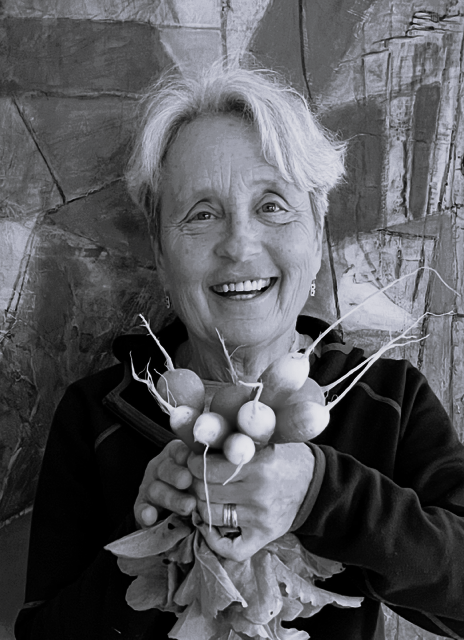
Grace Mattern is the author of two books of poetry, and her work has appeared widely, including in The Sun, Prairie Schooner, Calyx and Yankee. She has received fellowships from the New Hampshire State Arts Council and Vermont Studio Center.

They Took My Place
by Dianne Blomberg
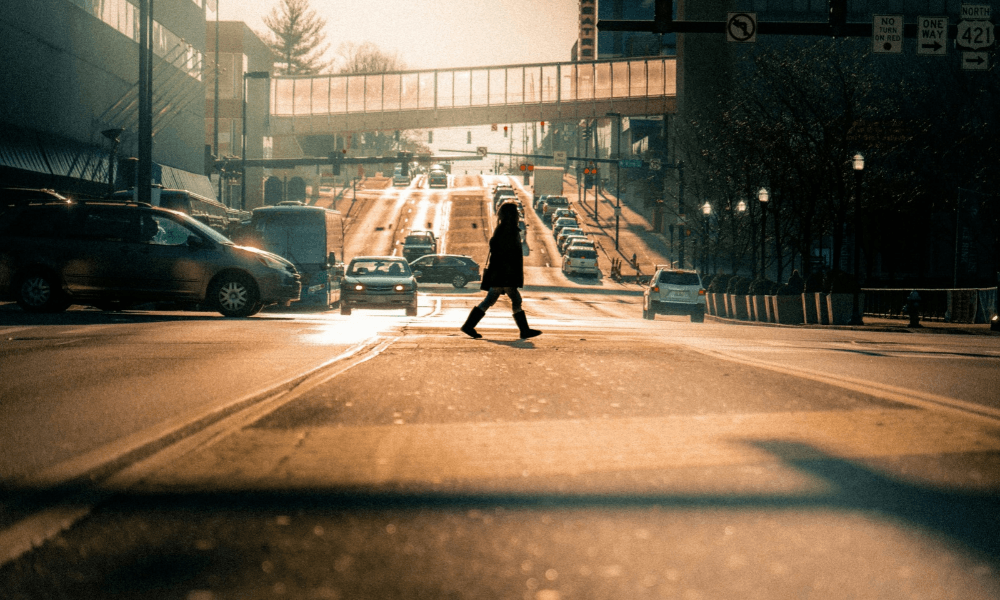
It’s a Thursday in downtown Denver, and I’m just headed to campus now—late, unusual for me. The nearby university clock tower alerts me to the noon hour, a unique chime to mark the momentary suspension between morning and afternoon. No chance I’ll race through the yellow light, not with dozens of pedestrians at the curb. I ease onto the brake. In fifteen minutes, my critique group will gather at the library. I’m first in the hot seat today, reading an essay that’s been giving me trouble. People spill outside the crosswalk lines. I’m idling at the intersection.
It wasn’t two years ago I retired from this university to work as a writer. A conjured writer’s identity with a professional website and a few publications: children’s books, essays, newspaper articles, short stories, textbooks.
“You still working?” people would ask.
“Yes, I’m a writer now.” Enthusiastic, with purpose. The few publications are hardly enough to pay bills but more than enough to fashion an identity, create a new chapter at seventy. If I stop creating chapters, does my life story end?
Yet, something isn’t right. I’m lost. Feels like I’m on a strange path. For several months, an ill-defined sensation has interfered with writing, socializing, sleeping.
Unplugged from there and not replugged into anywhere. Not just detached—suspended.
Open windows bring in the crisp, burnished breeze to brush over my hands on the steering wheel, inviting a calming breath. Fall announces a transition to possibilities.
“Miss,” I call out to a pedestrian, “you dropped your…” Good, she saw it. I wave out the window. “Have a good day…” I guess she didn’t hear me.
My hands slide down the steering wheel and into my lap. Looked like she was arguing with herself until I caught the earbuds when she flipped her hair. It’s nice to see women dress in suits again. I owned one nearly that color once, but my jacket belted at the waist—very smart. She reminds me of when I was the over-booked breadwinner taking a ten-minute school counselor call about my daughter, rushing between the office and a lunch workshop. Maybe she’s yelling at her teenager. Will she look back and wish she hadn’t?
An awareness bubbles up inside. In the three-and-a-half minutes of witnessing middle-aged professionals, students, and lovers scurrying by, I figure it out. Like forming a Scrabble word from Zs and Xs. Everything that had been lingering in my mind, jumping from left brain to right brain. Searching for logic or creativity to settle my unrest. There…right there parading in front of my car, there it is.
They took my place.
That blurry-eyed student pulled my all-nighter for a chemistry exam. That frazzled young mom iced my cupcakes for the school bake sale this morning. That one’s racing to teach my lecture, hoping for my early tenure. The woman in leggings will wait by my phone tonight for a call from the man she just met. He won’t call. All of them are reliving my life, marching in my footprints, being me. Without me.
When I retired from the authority and responsibility I craved, moved on from working mom to empty nester, watched for gray hair to color, wrinkles to chase—transitioned, as it were—apparently, people watched. So stealth were they, invisibly waiting their turn at my spot.
From my thirties to my mid-sixties, there were measurable mountains to scale, kids to feed and clothe, salaries to earn, debt to trouble over, a career to carve. Never wondering if I could, but when I would. My head swiveled to watch the competition. I kept them several car-lengths behind by being the first to... the only one who ever…
Those ahead of me said I would know when it is time to quit. Not me, I’ll always want to be part of the race. Until one afternoon at the end of a Zoom meeting with my team, I sat for nearly an hour, feeling peculiar. My cheek settled in my hand, leaning on the desk, watching my image onscreen. Alone in a Zoom room, this room that wasn’t anywhere at all, really, I knew it was time. “This isn’t fun anymore,” I said to the zoomed woman looking back at me. I felt empty for her.
There was nothing else to accomplish. I had proved to myself and to anyone still interested, I wasn’t that stupid kid in last place anymore. The chase was over.
The walk light is still flashing green, still time to kill. The essay I’ll workshop in a few minutes lay on the front seat, daring me to take a last look. I re-read the opening sentence. There’s something that doesn’t sit right. Not sure what. The other writers will find the problem, forest for the trees sort of thing. A slight giggle and I say aloud, “I wish I could workshop myself today; maybe they could identify this malaise.”
When I look up, I notice a trim man in a European-cut suit and wingtips, sockless. He tugs at the tight coat sleeves to emphasize style over comfort. If he were a few inches taller, he’d be my grandson’s doppelgänger. A student brushes by him to make up time. European-suit guy glowers in her direction. She doesn’t notice, grabs one strap of her backpack and eats an apple with the other hand. When I attended this school, I was about her age, always terrified to arrive late to class. My mouth contorts when I see the stress on her face; I remember racing toward everything but myself. Student, single mom, three jobs. My head wobbles at the thought.
Two lovers hold hands and halt their pace long enough to kiss. Something about how she looks up at him pulls a memory forward. Kissing on streets, holding hands, hoping our students don’t see us—It’s fine…we’re married—ending the gossip before it started. Without noticing, I am squeezing my hands, in reverie. We were so lucky, he and I.
One woman in heels, tapping at her phone, pushes off from the curb to hasten in front of me. I used to run in heels, for fear of missing…something. My favorites were those three-inch black Italian Ferragamos. My foot readjusts on the brake, and I look down at my orthopedic slip-ons.
Hey, hey you…all of you, do you see me in this car, watching? I taught at that university you’re rushing toward. I was kissed in this crosswalk by my husband who died so long ago that I don’t remember how “married” feels. My three-inch Ferragamos clicked along this very pavement; men turned to watch my strut. I mastered technology to stay ahead of you. I had an office and a staff to direct, kids’ basketball games to miss, crockpot dinners to gulp, and sleep to sacrifice. I showed you how to do it. I hold the answers you seek, the blueprints for all of this you are chasing.
My body slumps in the driver’s seat and the leather creaks. It’s all so upending. I look in the mirror, frown and smooth my unruly eyebrows, then sneak a glance into the car next to me. Hmm, she’s easily twelve years older. Why do women let their hair go grey…? She catches me. My face reacts with a twitch. Am I sitting in her old place, over here? Am I waiting my turn to take hers, over there? She sends an accusatory look my way.
The striations of life—like strips of earth, each one pushing up, making room for the next—form in my mind. I look away. A horn honks. A car races past me as I idle still.
The teen driver yells, flashes a sign, races through the green light. I imagine her saying, “Stupid old lady.” I smile and wave a thank you. She shakes her head in disgust.
My hands grip the wheel, my back straightens against the lumbar support, I shimmy to get taller, and as loud as my seventy-year-old voice can muster, I shout: “Listen, sister, someone yet to be born will be honking at you soon enough!” In my periphery, I notice the gray-haired woman in the car next to me giggle a bit as she strains to see over the steering wheel and inches her car through the crosswalk. I believe she is showing me how to proceed with grace.
Section Styles author-bio
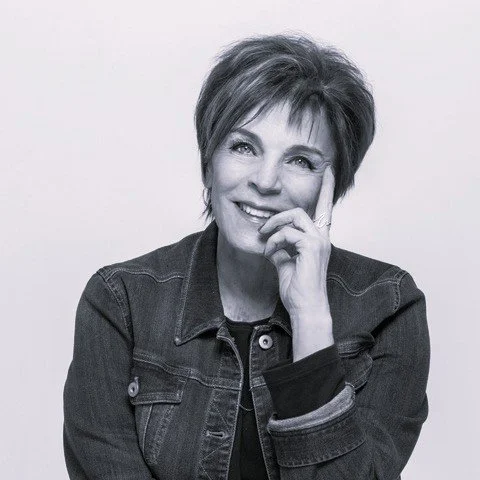
Dianne Blomberg, Ph.D. is an author, speaker, and Adjunct Associate Professor at the University of Denver, College of Professional Studies. She’s published in a variety of journals, magazines, and anthologies, and her research is cited in The Wall Street Journal, Good Housekeeping, USA Today, Family Life, and more. Find her at www.dianneblomberg.com.