
Section Styles alternate-P3
THREE:
Boundless
No. 2 | SUMMER 2026
Issue Two
Boundless
Issue Two Boundless
Table of Contents
01
NON-FICTION by Paloma Griffin Hebert
02
FICTION by Bethany Bruno
03
NON-FICTION by Kristina Wright
Editor’s Note
Welcome to the summer issue of THREE! Our theme is Boundless, and I was tasked with choosing just three pieces out of over 80 submissions. And somehow, like the spring issue, these stories fell into alignment though they came from entirely different worlds.
With “boundless” as the lighthouse, I had imagined an array of optimistic, inspiring stories about overcoming adversity or dreaming big—and we got those in spades. But we also got something surprising: the darker side of boundlessness. Ambiguous grief that seeps past the perimeter; a failure to contain danger; talent so big it becomes laced with obligation, pressure, and harm.
We often envision a lack of restriction as freedom and possibility, but what about when we need a container to keep us safe?
This issue shares two personal essays and one piece of fiction, and all three pieces speak to things that cannot be managed, cannot be outrun. They explore the murky territory between expansiveness and annihilation. Like children subconsciously longing for their parents to set limits, we don’t really outgrow a need for protection. When our agency has been eclipsed by forces larger than we can contain, when people assigned to protect us fail at their duty, we crave barriers, something to stanch the bleeding. Sometimes, to be boundless is to be untethered, and not in the fun way.
One of my favorite things about this publication is that untidy endings and thresholds that often go unnamed are welcome here. These pieces tell the story of what it feels like when life spills past its edges—through rollercoasters, sinkholes, and the powerlessness of childhood. May you know boundaries when you need them.
XO, Steph
Figs & Figments
by Paloma Griffin Hebert
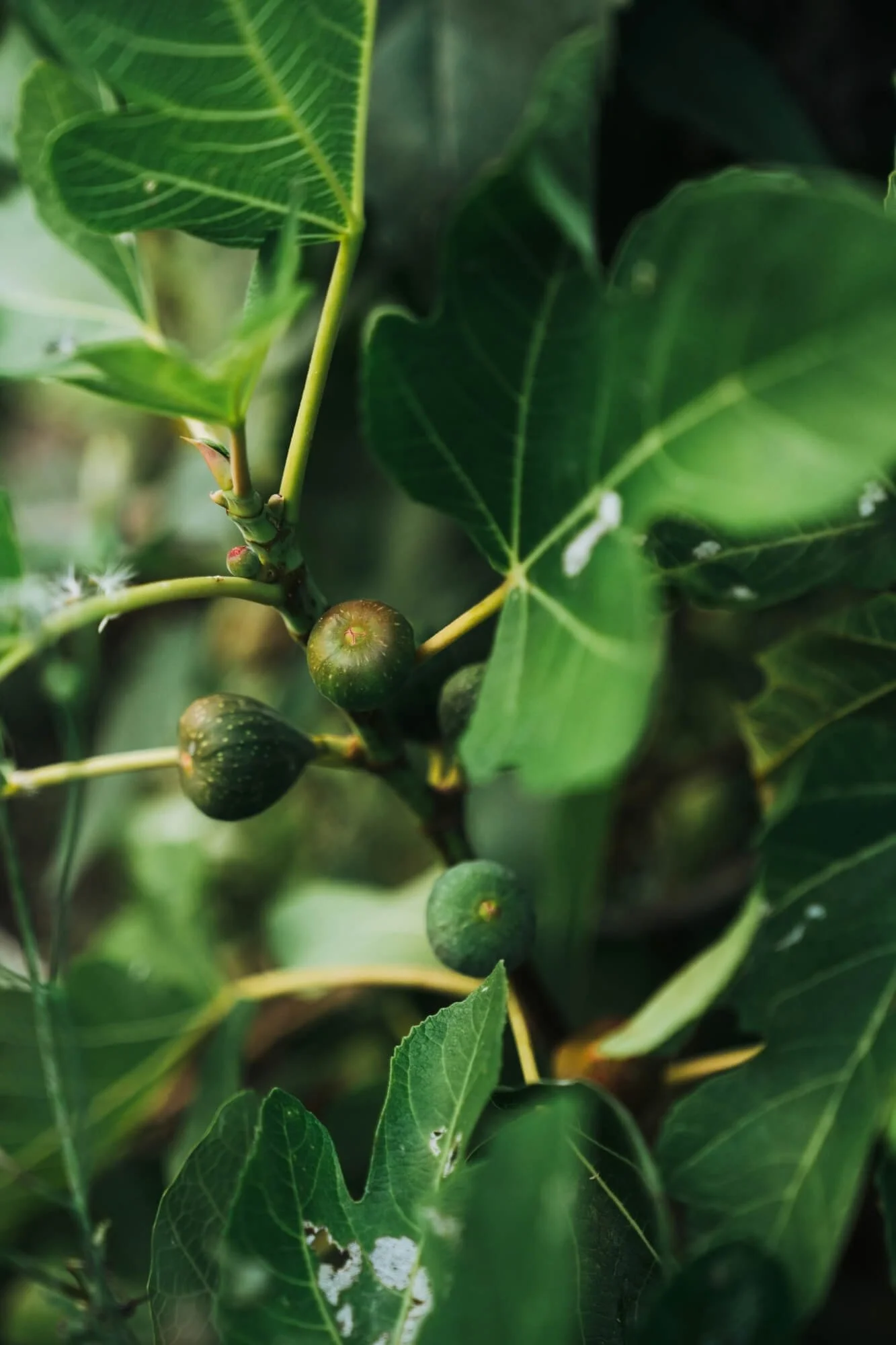
It was the kind of morning in the Central San Joaquin Valley where the air burned and split the ground into a web of cracks. I sat beneath a Calimyrna fig tree, the soles of my flip-flops sticky with the sap of fallen fruit. Dust clung to my shins.
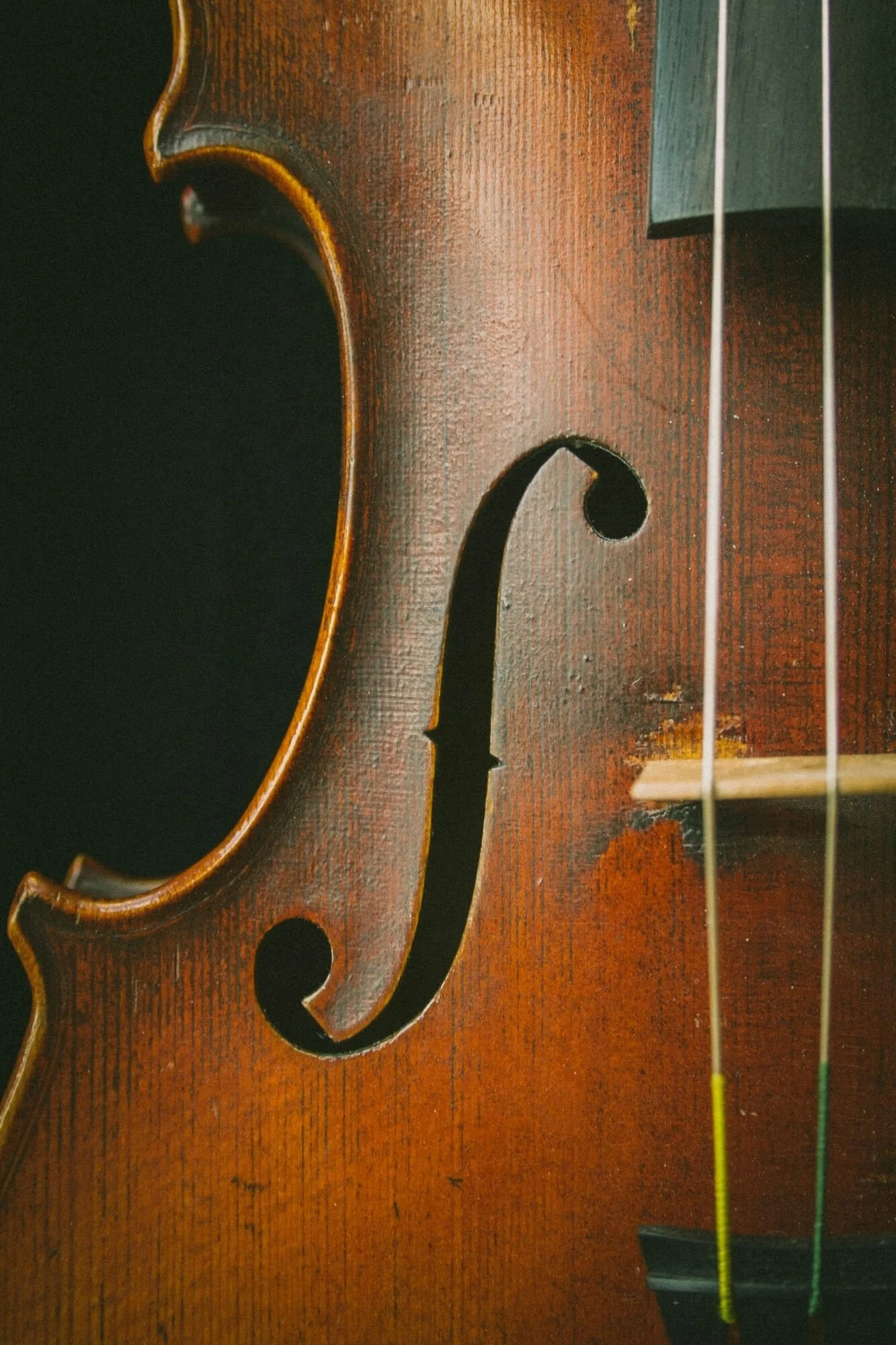
I was ten, perched before a silver music stand while my father loomed, wielding authority like a bow. On Saturdays, practice often stretched to five hours, the fig orchard a kiln by noon.
I whimpered.
“Do you think Midori cries like that when she has to practice?” Dad sneered.
A blond woman jogging past us slowed, smiled, then paused and squinted. Her brow furrowed. Her blue Nikes disappeared around the corner and my eyes drifted to the carpenter ants marching up a nearby fig trunk.
Each hour was its own element: first, scales and arpeggios; then Ševcik shifting exercises for violin—twenty-six tiny measures of finger acrobatics, repeated again and again; then etudes for both left-hand dexterity and bow work; then concerto, Bach, sonata. A short showpiece or contemporary work waited at the far end of it all. We practiced every day but Sunday.
I adjusted my chair; it was constantly sinking into the uneven ground. Mosquitoes bit my ears, legs, feet.
In Vivaldi’s Spring, Dad made me repeat ten bars at a time—painfully slow at first, then gradually faster with each pass. I squirmed and whined. Mosquitoes hovered. I set my violin down repeatedly.
“Young lady,” Dad snapped, “we’ll get home much faster today if you just keep going. Laziness never made anyone a star!”
“I’m thirsty,” I said. “There’s no water left in the jug.”
“Just do what I say, for God’s sake!” he hissed through clenched teeth.
I searched his face for the warning sign. His pupils became like black pools, right before he struck whatever part of me was closest, with a fist or the back of his hand.
Instead, a police car pulled up, and a tall, redheaded officer stepped out. My father’s brow furrowed, his lips pressing into a thin line. But by the time the officer reached us, he was smiling.
“Howdy, sir!” Dad said, flashing a toothy smile, his blue eyes and blond hair shining in the sun. “How’s your day going?”
The officer eyed him warily. “Hello. And hello, young lady.” He looked directly at me. “What are you doing out here with this man, sweetie?”
“Well, sir,” Dad began quickly, “this little girl is a remarkable young violinist—”
“Excuse me,” the officer said. “I asked the young lady.”
I weighed saying I didn’t know him. That I’d been kidnapped. Then maybe he’d arrest Dad, and I could stop practicing—maybe forever. Maybe he’d take me to Child Protective Services, a place I’d heard about from neighborhood kids, where children could go to be safe. Where I’d never have to get hit or play the violin again.
“He’s my dad,” I said.
The officer’s eyes darted between us. “We got a call,” he said. “Someone saw you out here yelling at her some hours apart. They were concerned she’d been kidnapped.”
I laid my violin across my leg and silently thanked the jogger in the blue Nikes, frowning. I hadn’t played violin for ten whole minutes, and the officer had given me some water.
“Oh!” Dad laughed nervously. “My wife’s from the Philippines. My daughter’s half Filipina.”
The officer grunted. “The Philippines…that’s China or something?”
“I can see why you’d think that.” Dad’s smile held. “But it’s actually in Southeast Asia.”
“Huh.” The officer shrugged. “Why are you out here in this heat? It’s dangerous for her. Do you have more water?”
“Yes, sir. In the car, right there. This young lady is preparing for a masterclass with the great Eugene Fodor—he’s a violin soloist playing with the Fresno Philharmonic next month. I thought it would be nice for her to practice in nature. Among the birds and the trees. We do this all the time. Would you like to hear her play? People always love it. Honey, let’s play the Bach Double.”
Section Styles author-bio
As we played the exposition of the most famous duet ever written for two violins, the officer listened intently. My heart sank. The music was glorious. I loved this piece—the way the violins chased each other, trading melodies like a conversation. In the slow movement, I could say all the things I couldn’t speak aloud, the gentle piano ostinato anchoring us like a heartbeat. Playing was the only time I could communicate without words.
But standing there, under sticky, mosquito-infested leaves in hundred-degree heat, I felt the weight of it—the heavy melancholy. This beautiful piece of music, this tiny miracle, wrapped in the exhausted hope that if I kept playing, my father might see and love me, even if I wanted to stop.
“Well, isn’t that something!” the officer said when we finished. “I’ve never seen anything like it—a man and his little girl playing violin in a fig orchard!” He chuckled and shook his head.
“Music saves lives,” Dad said with reverence. “Only God and music can do that.”
A hot breeze blew a chartreuse fig leaf onto my leg. It clung, itching, reddening my skin.
“This is the kind of day that makes me love my job,” the officer said. “My grandpa played the fiddle. I tried clarinet in high school, but I wasn’t any good. Wasn’t meant to be.”
Dad laughed too loudly.
“We always played that one Mozz-art song,” the officer continued, humming something tuneless.
Dad had won. Again. I leaned my head against the scroll of my violin. I was so tired.
As the officer turned his back to radio the station—“Situation’s fine, incredible, really. Over.”—Dad gestured at me with the back of his hand, biting his lip as if preparing to strike.
When both men turned away, I mimicked him. “Music saves lives,” I whispered. A mosquito bit my ear.
“Maybe I’ll take clarinet lessons again!” the officer said. “Know any good teachers?”
“I’ll call you tomorrow with a referral, Andy!” Dad said warmly.
They exchanged phone numbers.
“It was really nice to meet you, Stan. And you too, Paloma,” the officer said as he climbed into his car. “It’s about to be the hottest part of the day, so don’t stay out here too long. Heat can do real damage.”
I nodded. Yes, the heat.
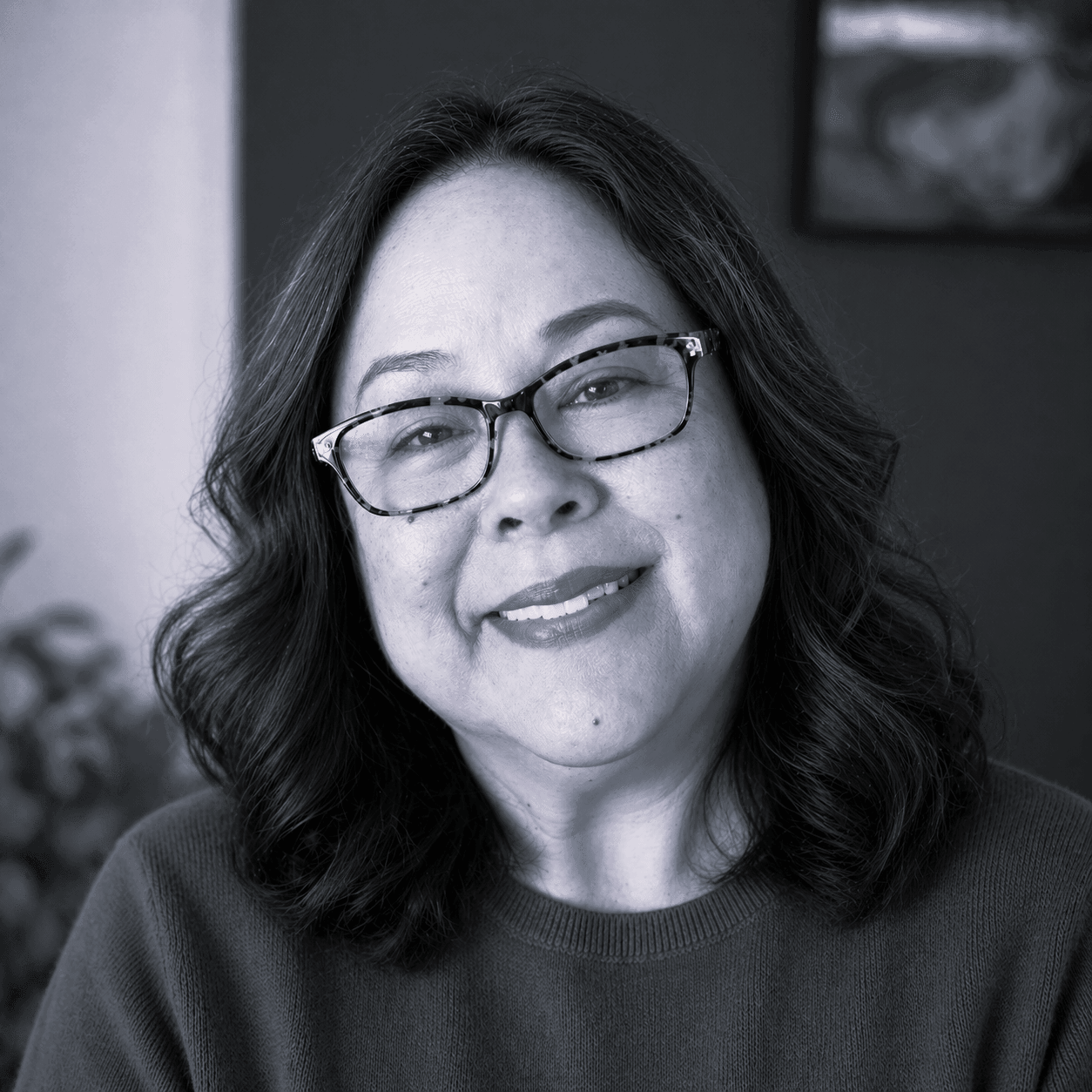
Paloma Griffin Hebert is a writer, teacher, and retired concert violinist based in Portland, Oregon. She writes personal narratives about reclaiming agency and choice, exploring what it takes to leave one life behind and claim another.

What the Water
Didn't Carry Off
What the Water Didn't Carry Off
What the Water Didn’t Carry Off
by Bethany Bruno
The sinkhole opened behind the elementary school three weeks after the storm, swallowing the chain-link fence and half the playground swing set. The county put up orange tape and a sign that said UNSAFE, but the ground kept softening anyway, breathing in shallow pulls as if deciding what else it wanted.
I saw it on my walk home from work. I had stayed late at the insurance office, processing flood claims for houses I recognized. Roofs peeled back. Furniture blooming with mold. Lives reduced to itemized loss. Most of them were Citizens policies now, rewritten after the last storm reshaped the maps and raised the premiums beyond what people could carry.
At the playground, a woman stood on the far side of the tape with her phone raised. She filmed the sagging earth, the tilted swing, the slow lean of metal toward nothing.
“It’s getting bigger,” she said, without looking at me.
“It always does,” I said, though I did not know why I spoke.
She nodded and walked away.
That night, my daughter asked if she could still walk to school.
“They’ll fix it,” I said.
She accepted this without question. She was nine, old enough to notice the news running across the bottom of the television, young enough to believe someone was in charge of it.
Two days later, trucks filled the hole with pale sand. The playground reopened. The sign disappeared. One swing was removed entirely. A single chain remained, clicking softly when the wind moved through.
The ground never hardened.
I noticed it when I waited by the gate in the afternoons. The mulch sank underfoot. The smell of wet limestone lingered. Some mornings, the sand looked disturbed, as if something underneath had shifted overnight. When I stood still long enough, the ground felt faintly hollow, the way limestone does before it gives.
My father used to say the land remembers. He learned it pouring slabs over filled canals and watching them crack a few years later, like the ground correcting the lie.
He said it about rivers, about debt, about Florida. He worked construction his whole life and refused jobs where the ground felt light beneath his boots. He died in the same house he raised me in, lungs gone after years of dust and cigarettes. When I sold the place, the buyer asked if the foundation had ever moved.
“Not that I know of,” I said.
The first call came on a Wednesday. A woman named Mrs. Henson. Her voice shook.
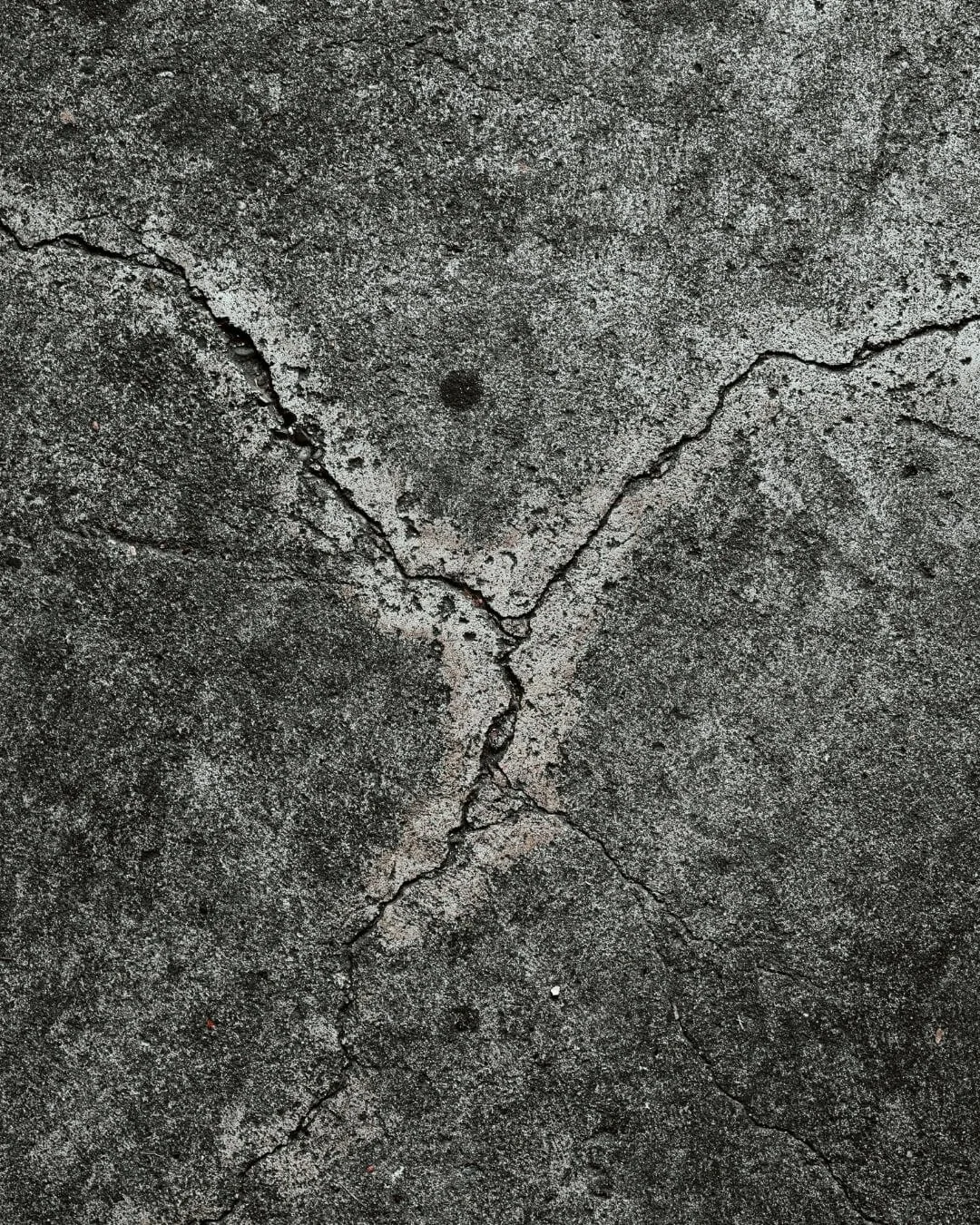
“There’s a crack in my living room,” she said. “It wasn’t there yesterday.”
I pulled up her address. Two blocks from the old creek bed.
“Any flooding?” I asked.
“No. Just movement.”
Movement was not covered. Movement belonged to God, or geology, or nowhere at all.
I told her what I was required to tell her. She thanked me anyway.
That afternoon, my daughter came out late from school, holding her teacher’s hand.
“She felt dizzy,” Ms. Alvarez said. “We had her sit for a bit.”
My daughter shrugged. “I’m fine.”
Her shoes were dusted white with sand.
That night, I dreamed of the river behind my father’s house. The water ran clear and shallow, limestone visible beneath it. The surface rippled though nothing broke it.
The next morning, another claim appeared. Same neighborhood. Same language.
Foundation instability.
At lunch, I drove past the playground. A boy pumped hard on the remaining swing, pushing the arc higher each time. His mother watched from a bench, her phone in her lap.
The ground beneath the swing sagged.
“Hey,” I called. “You shouldn’t be on that.”
She waved. “He’s fine.”
I stood there long enough to feel foolish, then left.
That evening, my daughter colored at the table while I cooked. Crayons rolled toward the edge and stopped.
“Ms. Alvarez says Florida has sinkholes everywhere,” she said.
“That’s true.”
She pressed a blue crayon hard enough to snap it. “Grandpa used to say the land remembers.”
“Yes.”
“What does it remember?”
I didn’t answer. I turned the stove off and let the room cool.
Later, after she slept, I pulled up county maps and old drainage plans. I saw how the water used to move. How it had been redirected and covered and named something safer.
The next day at work, I flagged the claims for further review. It would slow them. It would bring questions. It would not fix anything.
At pickup, Ms. Alvarez stopped me again.
“Your daughter asked if the ground can decide things before people do,” she said.
I laughed. “Kids think about strange things.”
Ms. Alvarez looked past me, toward the parking lot where the asphalt dipped and pooled. “They do,” she said.
Rain came that night, hard and sudden. Thunder shook the windows. I stood at the back door and watched water gather where it never had before.
In the morning, the playground was closed again. This time, the fence leaned inward. The earth had given up pretending.
A news van idled at the curb. A reporter spoke into the camera, careful and calm.
No one was hurt.
That became the headline.
I kept my daughter home from school.
“What if it opens while we’re gone?” she asked.
“Then we won’t be here,” I said.
She nodded, trusting me.
That afternoon, my supervisor called me into his office. He closed the door.
“These flagged claims,” he said. “You’re overstepping.”
“They’re unstable,” I said.
“They’re uninsured,” he corrected. “We can’t create panic.”
I thought of Mrs. Henson’s voice. Of the boy on the swing.
“I won’t process them,” I said.
He studied me. “That’s your job.”
“I know.”
He told me to think about my position.
That night, I packed a box. Photos. Papers. My father’s pocketknife, the blade worn thin from years of sharpening.
My daughter watched from the doorway.
“Are we leaving?” she asked.
“Yes,” I said.
She waited. “Where?”
“Somewhere the ground is quieter.”
She considered this, then went to get her shoes.
We left before dawn. The neighborhood was still, the air holding its breath. As I backed out, I saw the playground fence bow deeper, pulled toward something patient and unseen.
The radio said the collapse came later that morning. No one was hurt. Several homes were condemned. The county promised assessments.
I turned the radio off.
In the rearview mirror, the land folded in on itself, neat and final, like it had been waiting.
Bethany Bruno’s work has appeared in The New York Times, The Threepenny Review, The Sun, McSweeney’s Internet Tendency, River Teeth’s Beautiful Things, and The Huffington Post. She won Lunch Ticket’s Diana Woods Memorial Award in Creative Nonfiction, the Saturday Evening Post Great American Fiction Contest, and the Tennessee Williams Short Story Contest.

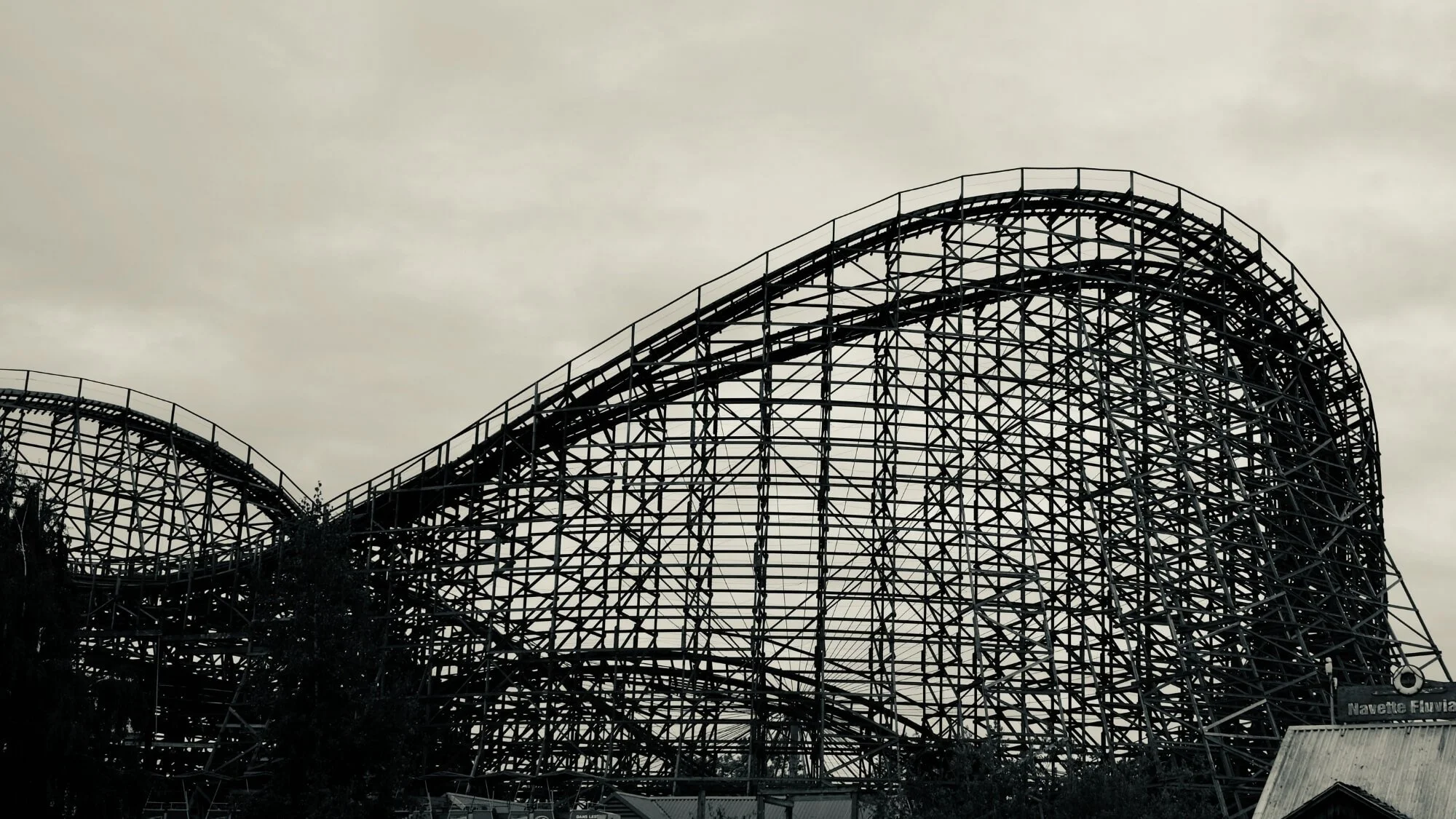
At Rest / In Motion
by Kristina Wright
The night before my mother died, I dreamed I was on a boat.
In the dream, which felt more real than what came after, I was alone on a small wooden boat. I was calm, at peace, rocking gently on a vast and endless sea. Stars reflected off the water, and I couldn’t tell where the sky ended and the ocean began. Then a sound, shrill and unwelcome, pierced through the darkness.
The phone.
I woke with a start, the dream still clinging to me, caught between wakefulness and sleep, my body resisting the return to itself. It was too early. Dread punched through the dream fog, sudden and certain. Back then — before motherhood reshaped my life — no one called me before eight. Morning calls belonged to emergencies, to bad news, to urgent things that could not wait.
It was my father. His voice was unfamiliar, out of place, like something pulled forward from a life I no longer inhabited. I don’t remember much of what followed. Only the feel of it. The way the words landed without gentleness, without thought.
My mother was dead.
The conversation was brief and awkward, like talking to a stranger about a woman who hadn’t been part of my life in over a decade. I heard myself ask the basics of how and when and whether she had suffered. I was empty, emotionless, an outside observer. This didn’t have anything to do with me. Who was this stranger disrupting my dream?
I hung up the phone and sat there for a long moment, wondering if this, too, was a dream. Nothing had changed. And yet, everything had.
I wasn’t working that day and had planned an amusement park outing with a friend. There was no reason not to go, no change that required a different version of the day. The world had not paused, the sky had not darkened. Death had not made any demands of me.
I went through the motions of the morning as if nothing had shifted, as if I could keep it at arm’s length—something that had happened but did not belong to me.
If this was grief, it hadn’t reached me yet. Or maybe I was moving faster, slipping just ahead of it, refusing to let it catch me.
My mother was terrified of roller coasters. Anything that moved—cars, planes, boats—made her nauseous with fear. She liked things with hard edges and firm limits, things that could be trusted not to lurch or drop or spin out of control. She liked doors and fences around her life, her heart.
The day my mother died, I rode every rollercoaster in the park.
Sickening waves of heat pressed down on me, sweat trickling between my shoulder blades. I held a cold bottle of water to the back of my neck underneath my ponytail, the relief immediate but fleeting.
Children laughed and cried in equal measure, their voices rising and falling in sharp bursts. I moved through the park like a ghost, drifting, unmoored, my body present but my mind stretched thin across miles—back to my quiet house, my rumpled bed, a ringing phone, a voice I barely remembered telling me the only thing that mattered.
I started with the nearest roller coaster. I don’t remember its name, only the slow, mechanical climb at the beginning—that steady clank of the chain pulling us upward, inch by inch, toward something inevitable. Something I couldn’t escape. My hands gripped the safety bar at first, knuckles tightening out of instinct, as if I could hold myself in place, as if I could keep myself safe from what was coming.
At the top, there is always the pause. The suspension. The moment where the world seems to hold its breath.
Then the drop.
My stomach lurched, the ground disappearing beneath me, my body no longer fully my own. The scream tore out of me before I could stop it—loud, raw, inhuman. A noise pulled from deep inside me, something that had been waiting for permission to be unleashed.
A roller coaster is a good place to scream. No one cares. No one even looks at you. The sound dissolves into the air, swallowed by the machinery, by the wind rushing past your face, by the collective noise of everyone else screaming, too. It is a place without consequence, where your voice can stretch as far as it needs to go.
The day my mother died, I screamed myself hoarse.
I moved from one ride to the next, chasing that feeling—the moment where gravity loosens its grip, where the body lifts and drops and twists without permission. Something unspooled inside me with each climb, each plunge, each violent turn. I flung my hands into the air in defiance of every instinct that told me to hold on, to make myself smaller, quieter. Safe.
There was nothing left to protect. The grief sat inside me like something living, something growing, pressing outward, demanding space.
One coaster looped me in circles, the world inverting in an instant—sky where ground should be, ground where sky should be. For a second, I hung there, suspended, my body caught between directions. It felt familiar. That same disorientation I felt that morning, until the before and the after collapsed into each other. Until I could no longer tell where one ended and the other began.
Before that morning, I had a mother, even if we were no longer in each other’s lives. Afterward, I was motherless, untethered, adrift. But here, in the rush of wind and noise and motion, I existed in a place between those two states—a narrow, endless fissure where nothing was fixed, where my identity slipped its boundaries. Not a daughter, not an orphan. Not whole, not broken. Just a body defying gravity and hurtling through space, carried by forces I could not control.
My throat burned and cracked, until the sound coming out of me was something closer to a death rattle than a scream. I imagined it traveling—stretching beyond the park, beyond the city—beyond the limits of distance and time. As if it might reach her. As if it might cross whatever boundary separates the living from the dead and make itself known.
Hear me, I thought. Just this once, please hear me.
But the sound came back to me, echoing, unanswered. It always had. It always will.
For a few hours, strapped into those hot, rattling cars, flung to the sky and back, I didn’t have to hold my grief inside the small, acceptable shape the world makes for it. I didn’t have to explain what it’s like to mourn a woman I hadn’t spoken to in years, who had driven me away again and again until, finally, I stayed gone.
My grief didn’t have to be quiet or dignified or contained. It could be as large as it wanted to be—ridiculous, irrational, loud, wild, unending.
Nearly twenty years, still unending.
Section Styles author-bio
Kristina Wright is a multigenre writer whose work has appeared in Open Secrets Magazine, Newsweek, The Girlfriend, Business Insider, Narratively, and other publications. She writes a book review column for the Washington Independent Review of Books and lives in Virginia with her husband, two sons, two dogs, and a ginger cat who bosses everyone around.